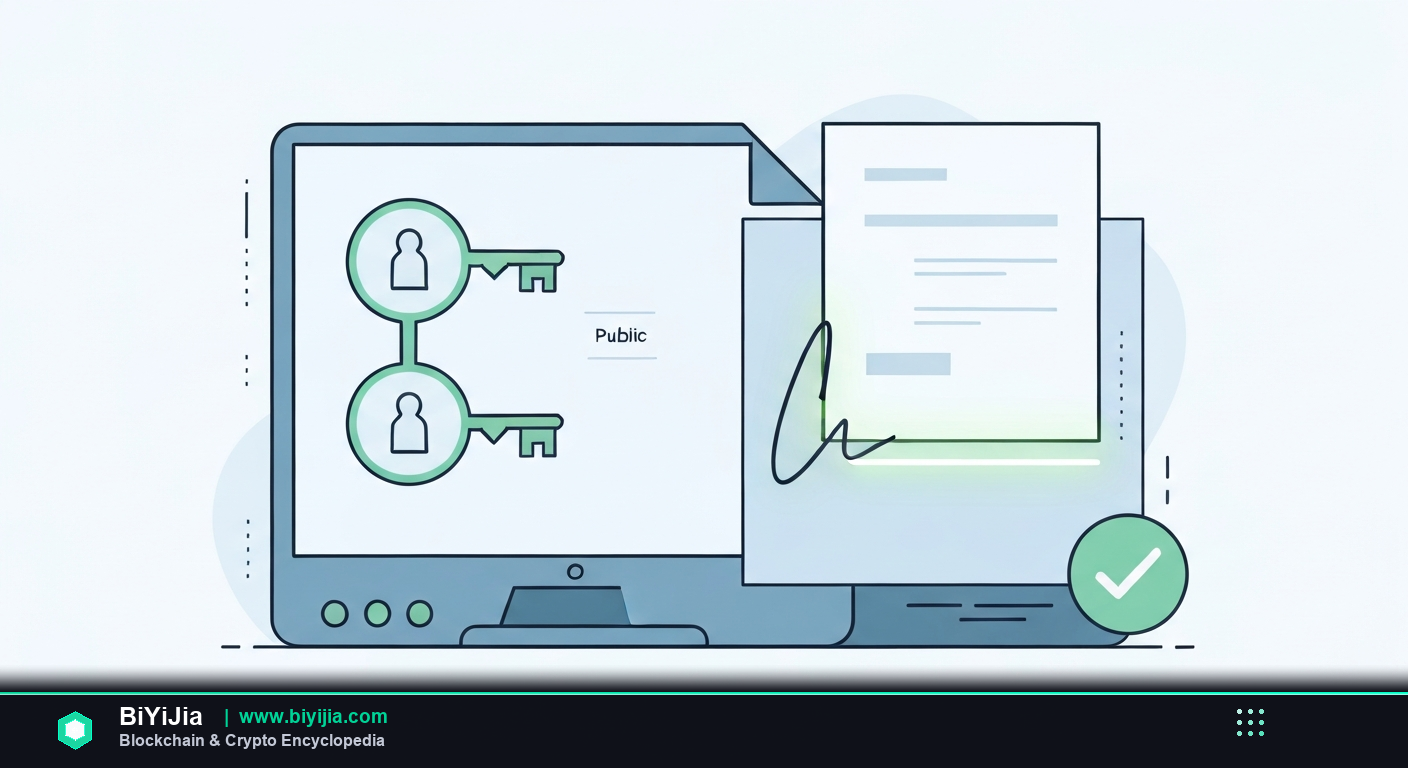
Digital Signature refers to a cryptographic proof that validates the authenticity and integrity of a digital message or transaction.
Key Takeaways
- One‑line definition: a cryptographic method that proves who signed a digital asset.
- Core features include non‑repudiation, integrity, and authentication.
- Used daily for blockchain transfers, smart‑contract approvals, and secure document signing.
- Unlike ink on paper, a digital signature is mathematically tied to a private key.
- Improper key handling can expose assets to theft or fraud.
What Is Digital Signature?
A digital signature is a cryptographic code attached to a digital document or transaction that proves the signer’s identity.
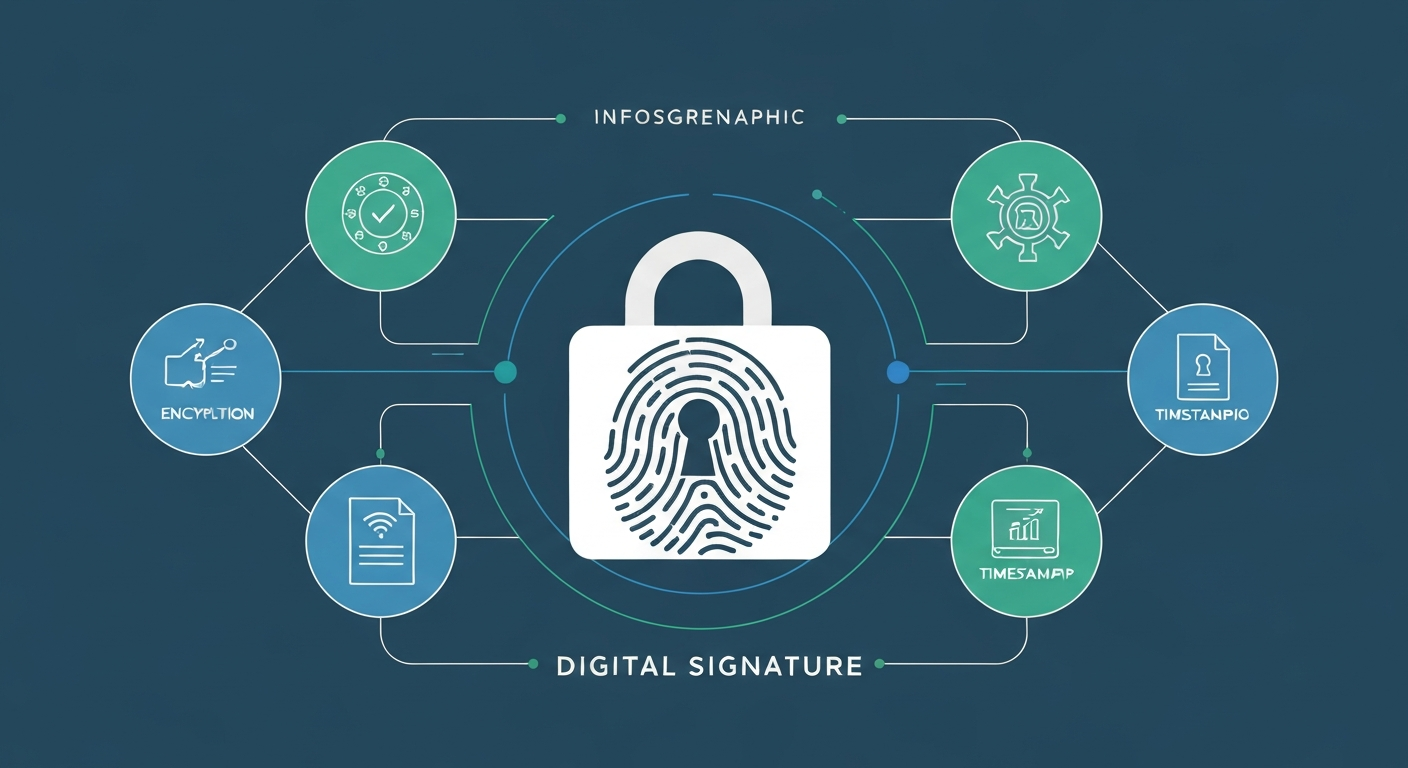
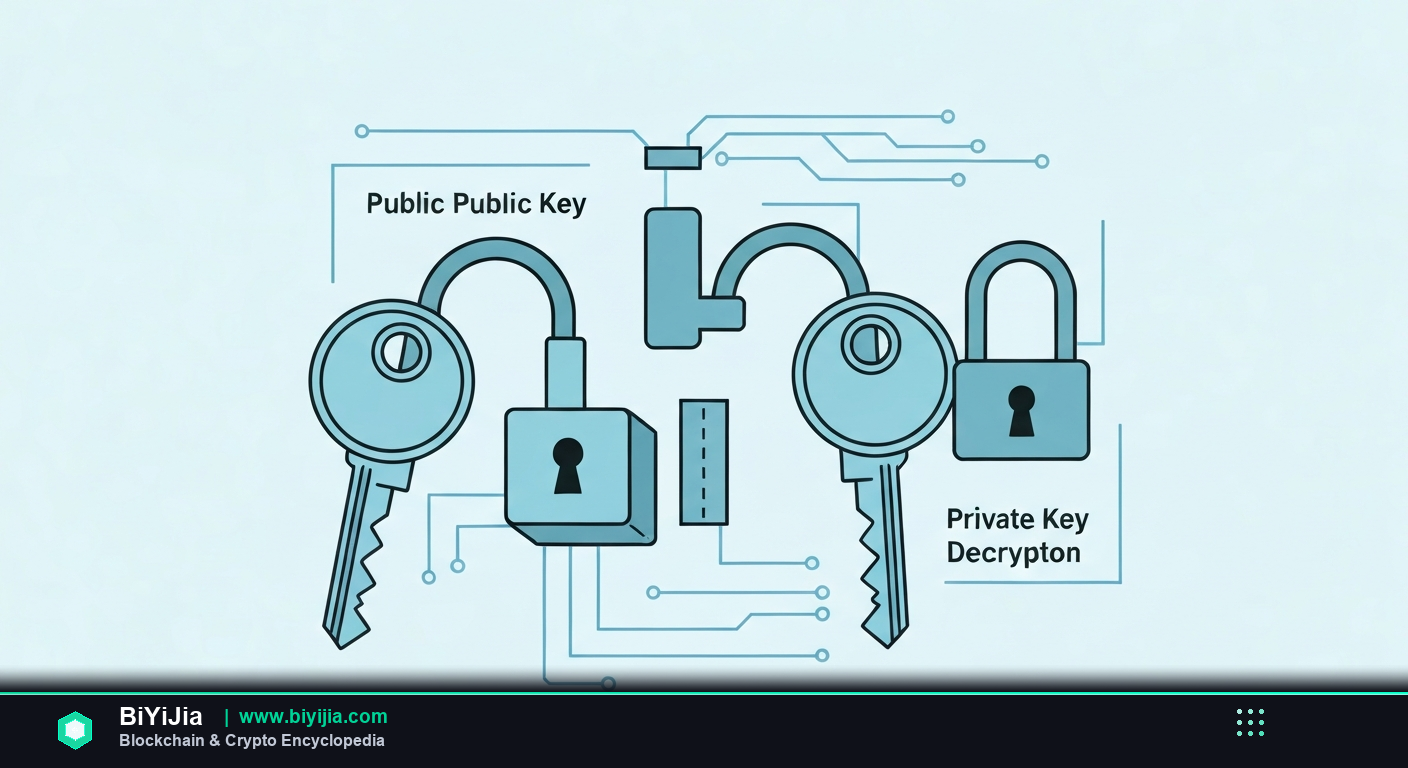
In practice, the signer hashes the data, encrypts the hash with their [internal link: Private Key], and anyone can verify the signature by decrypting with the corresponding [internal link: Public Key] and comparing hashes. The process guarantees that the content hasn’t been altered after signing.
Think of it like sealing a letter with a unique wax stamp that only you can melt; anyone who sees the stamp knows it came from you and that the letter wasn’t opened and resealed.
How It Works
- Generate a pair of cryptographic keys: a private key kept secret and a public key shared openly.
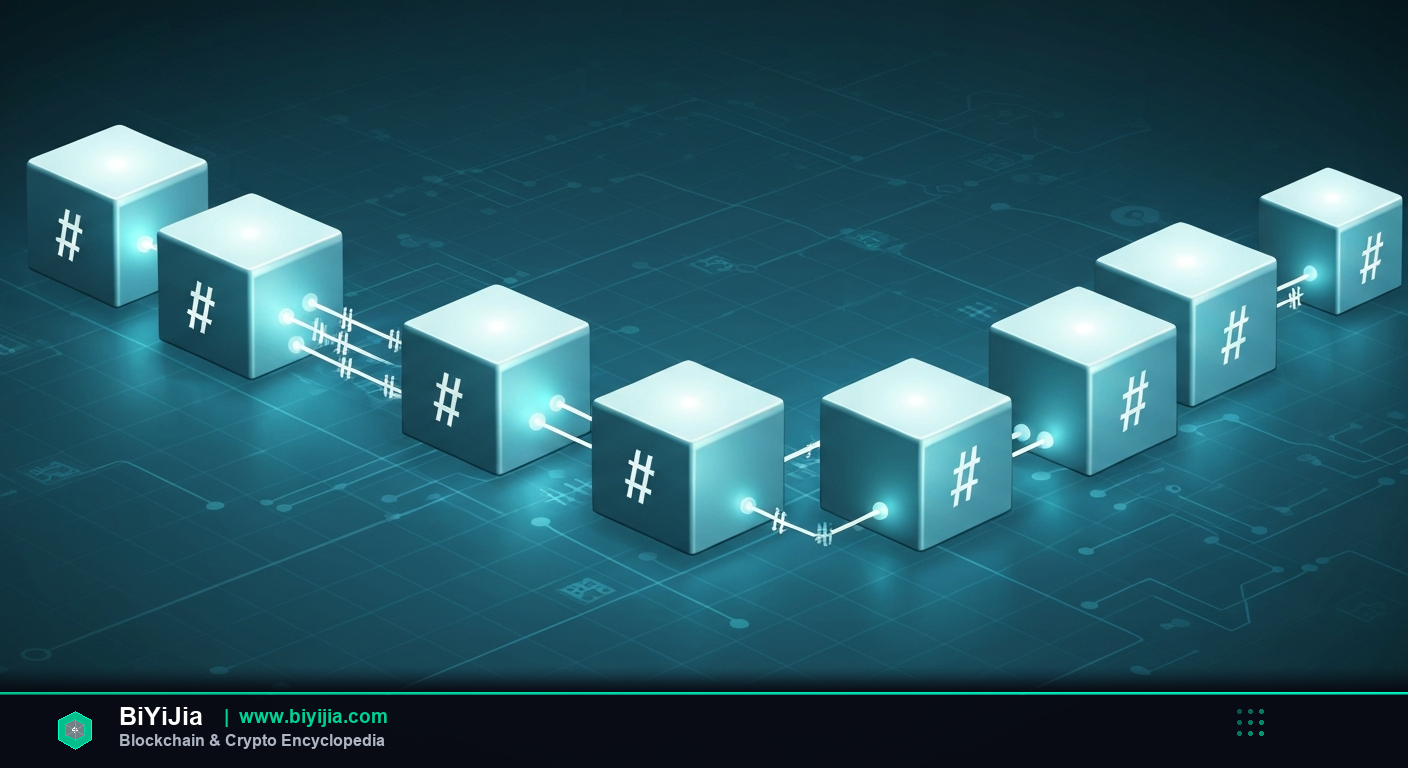
- When you sign a transaction, the system creates a hash of the transaction data.
- The hash is encrypted with your private key, producing the digital signature.
- Anyone receiving the transaction runs the same hash function on the data, then decrypts the signature with the public key.
- If the two hashes match, the signature is valid, confirming authenticity and integrity.
Core Features
- Non‑repudiation: The signer cannot deny having signed because only their private key could produce the signature.
- Integrity: Any alteration to the signed data changes the hash, breaking the verification.
- Authentication: The public key uniquely ties the signature to its owner.
- Scalability: Verifying signatures requires only public‑key operations, which are fast even on large networks.
- Interoperability: Standards like ECDSA and EdDSA work across most blockchain platforms.
- Legal Acceptance: Many jurisdictions recognize digital signatures as legally binding.
Real‑World Applications
- Ethereum – Every transaction and smart‑contract call is secured with an ECDSA‑based digital signature.
- Hyperledger Fabric – Uses crypto digital signatures to enforce identity‑based access control for enterprise supply‑chain networks.
- DocuSign – Provides blockchain‑backed digital signatures for contracts, reporting a 30% increase in adoption since 2023.
- Bitcoin – The original blockchain signature scheme, where over 500 million signatures have been recorded as of 2025.
- Solana – Leverages Ed25519 signatures to achieve sub‑second finality for DeFi trades.
Comparison with Related Concepts
Digital Signature vs. Hash: A hash merely fingerprints data; a digital signature adds a cryptographic proof of who created that fingerprint.
Digital Signature vs. Multi‑Factor Authentication (MFA): MFA verifies a user at login, while a digital signature continuously validates each individual transaction.
Digital Signature vs. Traditional Ink Signature: Ink can be forged or altered; a digital signature is mathematically bound to a private key and cannot be duplicated without it.
Risks & Considerations
- Key Compromise: If a private key is stolen, an attacker can sign fraudulent transactions.
- Algorithm Obsolescence: Advances in quantum computing could weaken current elliptic‑curve schemes.
- Improper Key Storage: Storing keys on unsecured devices invites malware theft.
- Replay Attacks: Without nonce handling, a valid signature could be reused on a different transaction.
- Regulatory Uncertainty: Some jurisdictions still lack clear legal frameworks for crypto digital signatures.
Embedded Key Data
According to a 2025 Chainalysis report, over 65% of all blockchain transactions used digital signatures for verification, highlighting their ubiquity across public and private networks.
A 2024 Gartner survey found that 48% of enterprises plan to adopt crypto digital signatures by 2026, driven by the need for faster, tamper‑proof workflows.
Frequently Asked Questions
What is a digital signature and how does it differ from a regular signature?
A digital signature is a cryptographic construct that binds a signer’s private key to a specific piece of data, guaranteeing authenticity and integrity. A regular signature is a handwritten mark that can be forged or altered, lacking mathematical verification.
Can I use the same digital signature on different blockchains?
Only if the blockchains share the same cryptographic algorithm and key format. For example, ECDSA signatures work on both Bitcoin and Ethereum, but a signature generated for Solana’s Ed25519 scheme won’t be valid on an ECDSA‑based chain.
How secure are current digital signature algorithms against quantum attacks?
Most widely used schemes like ECDSA and EdDSA are vulnerable to large‑scale quantum computers. The industry is transitioning to post‑quantum algorithms such as lattice‑based signatures, but widespread adoption is still a few years away.
Do I need to store my private key on a hardware wallet?
Storing the private key on a hardware wallet dramatically reduces the risk of malware theft. In my experience, users who keep keys on software wallets often fall victim to phishing attacks.
Is a digital signature legally binding?
Many jurisdictions, including the EU’s eIDAS regulation and the U.S. ESIGN Act, recognize qualified digital signatures as legally enforceable, provided they meet specific standards for identity verification and auditability.
Summary
Digital Signature is a cryptographic proof that secures the authenticity and integrity of digital assets, making it a cornerstone of blockchain and crypto ecosystems. Understanding its mechanics, benefits, and risks helps you navigate everything from DeFi transactions to enterprise document workflows. Explore related concepts like [internal link: Private Key], [internal link: Public Key], [internal link: Transaction Verification], and [internal link: Authentication] for a fuller picture.