
Cryptocurrency refers to a digital, decentralized form of money that uses cryptographic techniques to secure transactions and control the creation of new units.
Key Takeaways
- Cryptocurrency is a digital asset secured by cryptography and stored on a distributed ledger.
- Core features include decentralization, transparency, and programmable money.
- People use crypto for payments, savings, and accessing decentralized finance (DeFi) services.
- Unlike fiat currency, crypto isn’t issued by a central bank, which brings both freedom and volatility.
- Investors should watch regulatory shifts, market swings, and security hygiene.
What Is Cryptocurrency?
In a nutshell, cryptocurrency is a type of digital currency that lives on the internet and can be transferred without a middleman.
Under the hood, each crypto token is recorded on a blockchain – a public, tamper‑proof ledger where transactions are grouped into blocks and linked together using cryptographic hashes. Nodes (computers) on the network validate and broadcast new blocks, ensuring no single party can rewrite history. This consensus model replaces the trust you’d normally place in a bank.
Think of it like a shared Google spreadsheet that everyone can view and edit, but once a row is added it’s locked forever. If you want to move money, you simply add a new row that says “Alice sends 0.5 BTC to Bob,” and the network checks that Alice actually owns that 0.5 BTC before confirming the entry.
How It Works
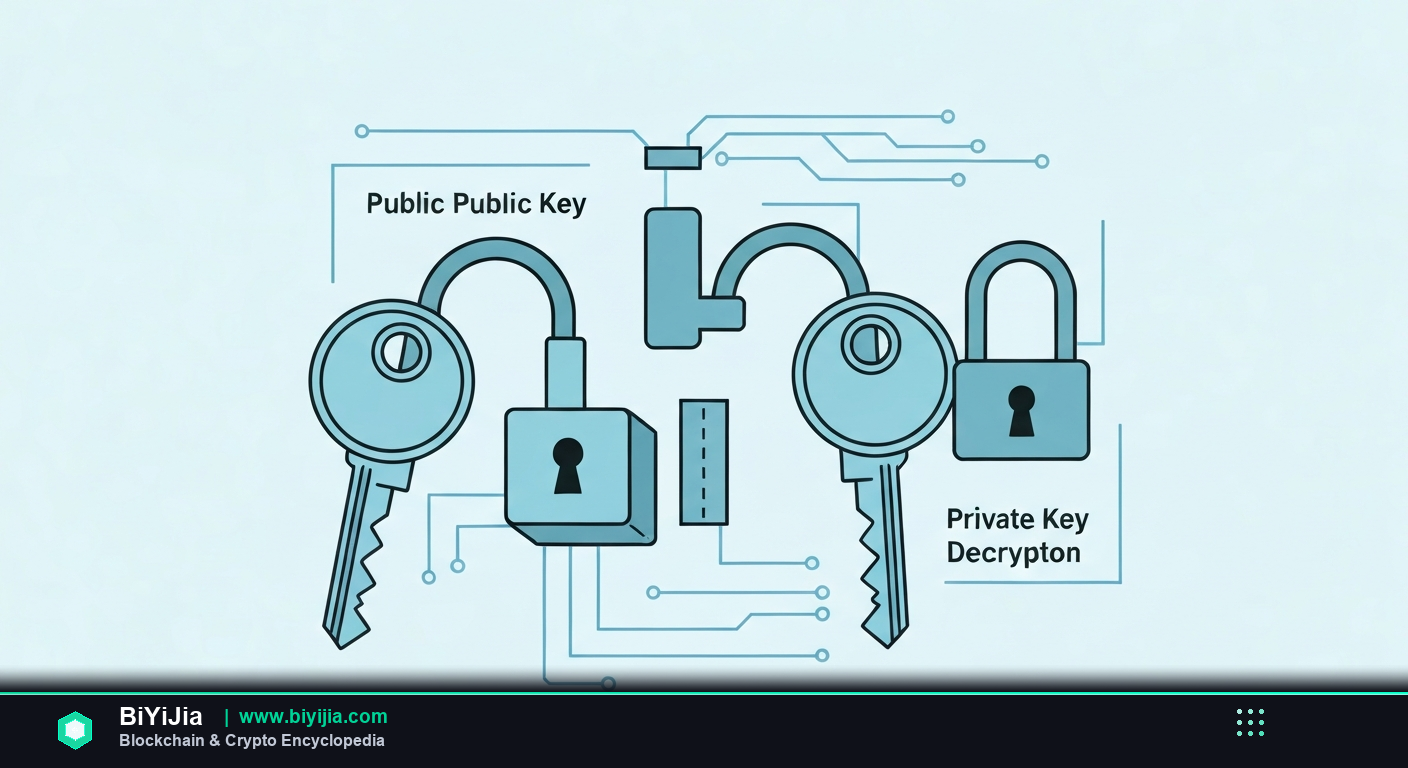
- Transaction creation: A user generates a transaction using a wallet app, signing it with a private key that proves ownership.
- Propagation: The signed transaction is broadcast to peer nodes, which verify the signature and check that the sender has sufficient balance.
- Block formation: Miners or validators bundle pending transactions into a new block and solve a consensus puzzle (Proof‑of‑Work, Proof‑of‑Stake, etc.).
- Consensus: The network agrees on the next block; once accepted, the block is added to the chain, making the transactions immutable.
- Finality: The recipient’s wallet updates its balance, and the transaction is considered complete.
Core Features
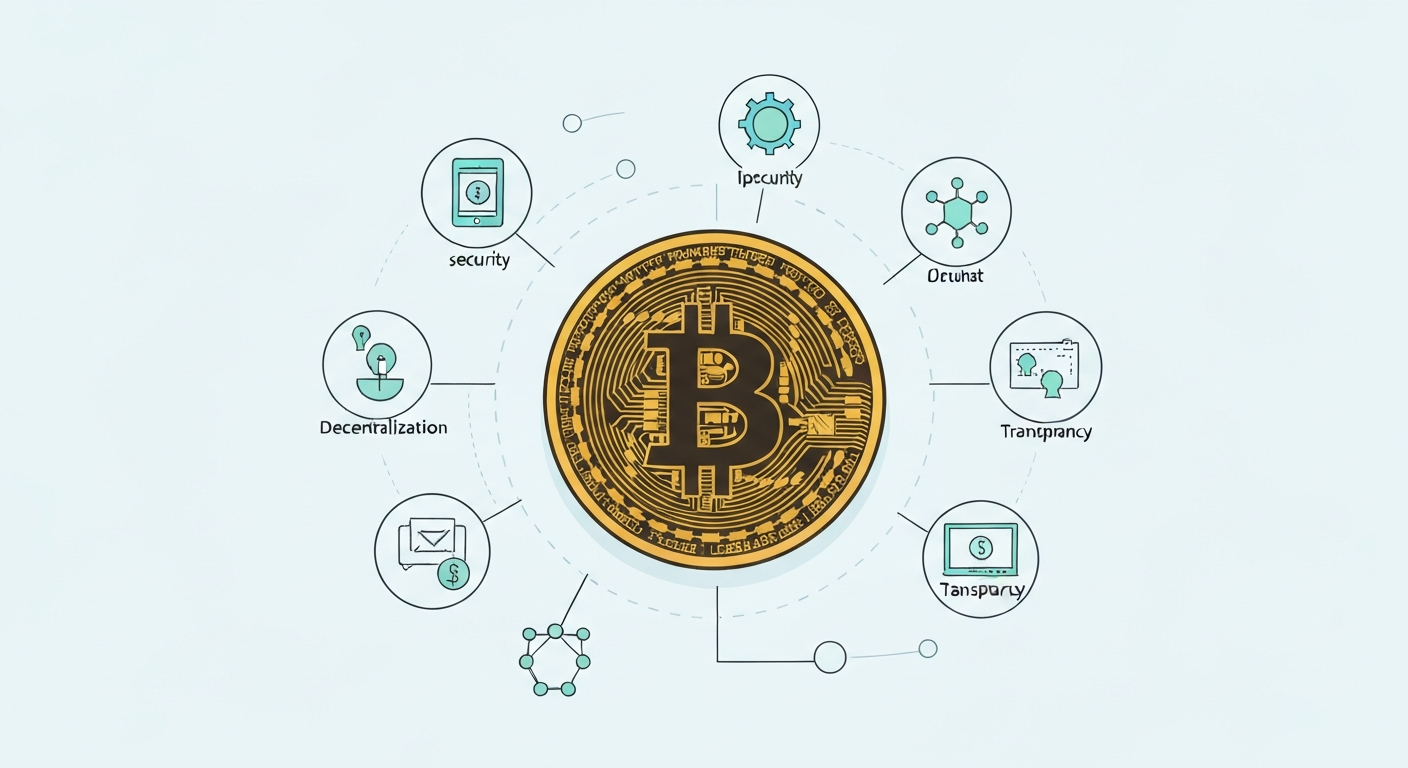
- Decentralization: No single entity controls the ledger; power is distributed across thousands of nodes.
- Transparency: Every transaction is publicly visible on the blockchain, enabling auditability.
- Security: Cryptographic hashing and digital signatures protect against fraud and tampering.
- Programmability: Smart contracts let developers embed logic that automatically executes under predefined conditions.
- Borderless: Transactions can cross borders instantly without relying on correspondent banks.
- Limited Supply: Many coins (e.g., Bitcoin) have a capped issuance, creating scarcity.
Real‑World Applications
- Bitcoin (BTC): The original crypto, used as a store of value; market cap exceeds $600 B as of 2026 (CoinMarketCap).
- Ethereum (ETH): A programmable platform powering DeFi, NFTs, and millions of dApps; daily transaction volume surpassed 2 M in Q1 2026.
- USDC (USD Coin): A stablecoin pegged 1:1 to the U.S. dollar, facilitating low‑fee payments; total circulation hit $45 B in 2025.
- Chainlink (LINK): Decentralized oracle network that feeds real‑world data to smart contracts; integrated with over 300 blockchain projects.
- Polygon (MATIC): Layer‑2 scaling solution reducing Ethereum gas fees by up to 90 %; active wallets grew to 30 M by mid‑2026.
Comparison with Related Concepts
Cryptocurrency vs Bitcoin: Bitcoin is a specific cryptocurrency; the term “cryptocurrency” covers thousands of assets, each with unique rules and use cases.
Cryptocurrency vs Token: Tokens are crypto assets built on existing blockchains (e.g., ERC‑20 on Ethereum), whereas a cryptocurrency often refers to a native coin that secures its own network.
Cryptocurrency vs Fiat Currency: Fiat is government‑issued, centrally regulated money; crypto operates without a sovereign issuer and relies on code for trust.
Cryptocurrency vs Decentralization: Decentralization is a design principle that many cryptocurrencies adopt, but not every crypto is fully decentralized (some have delegated proof‑of‑stake models).
Risks & Considerations
- Volatility: Prices can swing double‑digit percentages in a single day, making crypto a risky store of value.
- Regulatory Uncertainty: Governments worldwide are still shaping rules; sudden bans or tax changes can impact markets.
- Security Threats: Hacks, phishing, and smart‑contract bugs can lead to irreversible loss of funds.
- Scalability Limits: Network congestion can cause high fees and slow confirmation times, especially on older chains.
- Liquidity Risks: Smaller tokens may have thin order books, making it hard to exit positions without slippage.
Embedded Key Data
According to the 2026 Global Crypto Adoption Report, over 300 million people now hold at least one cryptocurrency, representing a 45 % increase from 2024.
Data from Chainalysis shows that crypto‑based illicit activity accounted for less than 1 % of total transaction volume in 2025, debunking the myth that the entire ecosystem is a haven for crime.
Frequently Asked Questions
What is cryptocurrency and how does it differ from Bitcoin?
Cryptocurrency is a broad category of digital assets secured by cryptography, while Bitcoin is the first and most well‑known example of a cryptocurrency. All Bitcoins are crypto, but not all crypto is Bitcoin.
How can I buy my first crypto safely?
Start with a regulated exchange that offers two‑factor authentication, KYC verification, and cold‑storage options. Transfer the purchased coin to a personal wallet where you control the private keys.
Is cryptocurrency a good hedge against inflation?
Some investors view Bitcoin’s capped supply as an inflation hedge, but the overall market remains highly volatile. It can complement traditional hedges like gold, but should not replace them outright.
Can I use cryptocurrency for everyday purchases?
Yes, many merchants accept stablecoins like USDC and major coins like Bitcoin via payment processors. However, transaction fees and price swings can affect practicality for small‑ticket items.
What role does Decentralized Finance (DeFi) play in the crypto ecosystem?
DeFi leverages smart contracts to recreate banking services—lending, borrowing, trading—without intermediaries, enabling anyone with an internet connection to earn yields or access credit.
Summary
Cryptocurrency is a digital, cryptographically secured form of money that operates on decentralized networks, reshaping how we think about value transfer and financial services. Understanding its mechanics, benefits, and risks opens the door to innovative tools like [internal link: Bitcoin], [internal link: Token], and the broader world of Decentralized Finance (DeFi).